
 By
·
10 minute read
By
·
10 minute read

When planning to build your dream home in New Zealand, choosing the right financing structure is just as important as selecting your builder or designing your floor plan. While most people understand traditional home loans, construction loan NZ options work very differently and offer unique advantages for building projects.
Understanding the fundamental differences between construction loans and standard home loans can save you thousands of dollars in interest and fees while providing the financial flexibility needed for a successful building project. The wrong financing choice can create cash flow problems, increase costs, or even jeopardise your build completion.
With New Zealand's construction industry experiencing significant changes in recent years, from material cost fluctuations to labour shortages, having the right financing structure has become more crucial than ever for managing the complexities of building a new home.
Understanding Construction Loans in New Zealand
What is a Construction Loan?
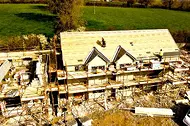
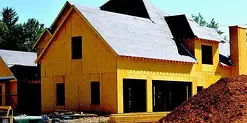
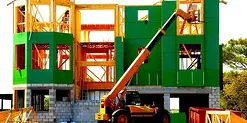
A construction loan is a specialised financing product designed specifically for building new homes. Unlike traditional home loans that provide a lump sum to purchase an existing property, construction loans release funds progressively as your building project reaches predetermined milestones.
This staged funding approach aligns your loan drawdowns with actual construction progress, ensuring you only pay interest on funds actually used while providing builders and suppliers with payment as work is completed.
Construction loans typically operate in two distinct phases: the construction phase (usually 6-18 months) where you pay interest-only on drawn funds, followed by conversion to a standard home loan once construction is complete.
How Construction Loans Work
Progress Payment System: Construction loans release funds based on building progress, typically tied to specific milestones like foundation completion, frame completion, roof installation, and final handover. Each drawdown requires inspection and approval to confirm work completion.
Interest-Only Payments: During construction, you typically pay interest only on funds already drawn down. This keeps monthly payments manageable while your home is being built, but requires planning for increased payments once the loan converts to principal and interest.
Builder Payment Coordination: Your lender coordinates directly with your builder for progress payments, reducing your administrative burden while ensuring funds are released appropriately as work is completed.
Construction-to-Permanent Loans
Many New Zealand lenders offer construction-to-permanent loans that seamlessly convert from construction financing to a standard home loan upon completion. This eliminates the need to reapply for financing and provides certainty about your long-term loan terms.
These integrated products often offer better overall terms and reduce the administrative complexity of managing two separate loan applications and approvals.
Traditional Home Loans: The Standard Approach
How Home Loans Work
Traditional home loans provide a lump sum to purchase an existing property, with the property itself serving as security for the loan. You begin making principal and interest payments immediately, and the loan terms are based on the property's current value.
For existing property purchases, this straightforward approach works well because you're buying a completed asset with an established market value.
Home Loan Advantages
Simplicity: One application, one approval, one settlement process with straightforward ongoing payments.
Established Market Values: Lenders can easily assess property values for existing homes, potentially leading to more favourable loan terms.
Immediate Occupancy: You can move in immediately upon settlement, eliminating temporary accommodation costs.
Predictable Costs: Monthly payments remain consistent throughout the loan term, making budgeting straightforward.
Key Differences Between Construction and Home Loans
Funding Structure
Construction Loans: Progressive funding based on building milestones, with interest charged only on drawn amounts.
Home Loans: Lump sum funding at settlement, with immediate principal and interest payments on the full amount.
This fundamental difference significantly impacts cash flow during the early stages of your project, with construction loans typically requiring lower monthly payments initially.
Risk Assessment
Lenders assess construction loans differently because they're financing a future asset rather than an existing property. This requires evaluation of building plans, builder credentials, cost estimates, and your ability to manage a construction project.
Home loan assessment focuses on the existing property's current value and condition, along with your ability to service the loan payments.
Interest Rate Considerations
Construction loans often carry slightly higher interest rates during the construction phase, reflecting the increased risk associated with financing a building project. However, competitive rates are available, particularly when combined with construction-to-permanent products.
The interest rate difference is often offset by paying interest only on drawn funds rather than the full loan amount from day one.
Loan-to-Value Requirements
Construction loans typically require larger deposits, often 20-30% of total project costs, compared to standard home loans that might accept 10-20% deposits. This reflects the higher risk associated with construction projects.
However, if you already own suitable land, its value can contribute toward your deposit requirement, potentially making construction loans more accessible.
When Construction Loans Make Sense
Building New Homes
Construction loans are specifically designed for new builds and offer several advantages over attempting to use traditional financing for construction projects.
The progressive funding structure aligns perfectly with construction cash flow requirements, while interest-only payments during construction keep monthly costs manageable while you're potentially paying temporary accommodation expenses.
Renovations and Additions
Major renovations or substantial additions might benefit from construction loan structures, particularly when work extends over several months and requires staged payments to contractors.
This is especially valuable for projects where you're living elsewhere during construction or when renovation costs exceed what personal savings or credit facilities can comfortably cover.
Land and Build Packages
When purchasing land and building simultaneously, construction loans can finance both components efficiently, often with more favourable terms than separate land and construction financing.
This integrated approach simplifies the approval process and often results in better overall loan terms than arranging separate financing for land purchase and construction.
When Home Loans Are More Appropriate
Existing Property Purchases
For buying established homes, traditional home loans offer the most straightforward and cost-effective financing approach. The property provides immediate security, and you can move in upon settlement.
Completed Spec Homes
If you're purchasing a newly completed home from a developer or spec builder, a traditional home loan is usually more appropriate than construction financing.
Quick Settlement Requirements
When you need to settle quickly, traditional home loans typically process faster than construction loan applications, which require detailed review of building plans and construction contracts.
Common Construction Loan Mistakes
Inadequate Budget Planning
Many borrowers underestimate total project costs, leading to funding shortfalls during construction. Construction loans require comprehensive budgeting that includes all project costs, not just the building contract price.
Inadequate contingency planning can leave you short of funds when unexpected costs arise, potentially delaying construction or requiring expensive additional financing.
Poor Builder Selection
Construction loan approval often depends on your builder's credentials and track record. Choosing inexperienced or financially unstable builders can jeopardise loan approval or create problems during construction.
Lenders typically require builders to meet specific criteria, including appropriate licensing, insurance, and financial stability. Understanding these requirements before choosing your builder prevents approval delays.
Misunderstanding Payment Structures
Some borrowers don't fully understand how progress payments work, leading to cash flow problems or disputes with builders about payment timing.
Construction loans require active management throughout the building process, unlike traditional home loans where payments are simply automatic monthly debits.
Inadequate Documentation
Construction loan applications require extensive documentation including detailed building plans, specifications, contracts, and cost breakdowns. Incomplete or inadequate documentation can delay approval or result in loan rejection.
Professional preparation of your construction loan application, including all required documentation, significantly improves approval chances and speeds processing.
Choosing the Right Financing Structure
Assessing Your Situation
Project Type: New builds generally favour construction loans, while existing property purchases suit traditional home loans.
Timeline Requirements: Construction loans require longer planning and approval timeframes but provide better cash flow management during building.
Risk Tolerance: Construction loans require more active management and carry higher complexity than traditional home loans.
Financial Capacity: Consider your ability to manage variable payments during construction and higher payments once the loan converts to principal and interest.
Professional Guidance Benefits
Construction financing involves numerous variables and decisions that can significantly impact your project's success. Professional guidance helps you navigate these complexities while optimising your financing structure for your specific circumstances.
Mortgage brokers specialising in construction loans understand lender requirements, can compare different products, and help structure your financing for optimal terms and conditions.
Interest Rate and Fee Comparisons
Construction Loan Costs
Construction loans typically involve establishment fees, progress payment fees, and potentially higher interest rates during construction. However, the interest-only payment structure during building often results in lower total interest costs.
Understanding the complete fee structure helps you accurately compare construction loan costs with alternatives.
Long-term Cost Considerations
While construction loans might have higher upfront costs, the overall financing cost depends on interest rates, loan terms, and how long you hold the property. Construction-to-permanent loans often provide competitive long-term rates once construction is complete.
The ability to finance your entire project through one integrated product can provide better overall terms than piecing together separate financing solutions.
Regional Lender Variations
Auckland Construction Finance
Auckland's competitive construction market has led to numerous specialised lenders offering construction products. However, higher property values and strict council requirements can affect approval criteria.
Rural and Regional Considerations
Rural construction projects might face different lender criteria, particularly regarding builder selection, site access, and service availability. Some lenders specialise in rural construction financing.
Bank vs Non-Bank Lenders
Traditional banks offer construction loans alongside their standard products, while specialist non-bank lenders might provide more flexible terms or cater to unique situations.
Understanding different lender types helps you identify the best financing partner for your specific project requirements.
Making Your Decision
Key Decision Factors
Choosing between construction loans and traditional home loans depends on your specific situation, but several key factors guide most decisions:
Project Type: Are you building new, buying existing, or undertaking major renovations?
Timeline: Do you need quick settlement or can you manage a longer construction period?
Financial Management: Are you comfortable managing the complexity of construction financing?
Cost Optimisation: Which financing structure provides the best overall cost for your situation?
Getting Professional Advice
Construction financing decisions have long-term implications for your financial position and project success. Professional advice helps you understand your options, compare products effectively, and choose the financing structure that best supports your goals.
The right financing partner doesn't just provide money – they provide expertise, support, and guidance throughout your building journey.
Planning Your Financing Strategy
Successfully financing your dream home requires understanding how different loan products work and choosing the structure that best aligns with your project type, timeline, and financial situation. While construction loan NZ options provide excellent solutions for building projects, they're not right for every situation.
The key is matching your financing choice to your specific circumstances while understanding the long-term implications of your decision. The right financing structure can save you thousands of dollars and provide peace of mind throughout your building or purchasing journey.
Whether you choose construction financing, traditional home loans, or hybrid approaches, having expert guidance ensures you make informed decisions that support your long-term financial success.
If you're ready to explore your construction financing options and develop a comprehensive strategy tailored to your building project, contact Luminate Finance today. Our construction-to-permanent lending specialists understand the nuances of different financing structures and can help you choose the approach that best supports your homeownership goals.
Ready to turn your building dreams into reality? The right financing structure makes all the difference between a smooth building experience and unnecessary stress. Contact Luminate Finance to discuss how our construction-to-permanent lending expertise can support your New Zealand building journey with tailored solutions that work for your specific situation.