

 By
·
13 minute read
By
·
13 minute read
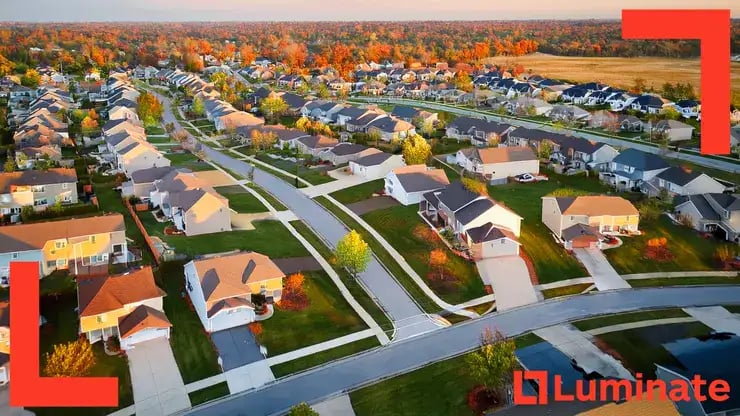
Building consent requirements for subdivision development in New Zealand involve complex regulatory frameworks that extend beyond simple building construction to encompass infrastructure development, compliance certification, and ongoing maintenance obligations. Understanding building consent requirements for subdivision projects is essential for successful development completion and title creation. This comprehensive guide explores all aspects of building consent for subdivision developments, from initial planning through final certification.
Understanding Building Consent in Subdivision Context
Building consent for subdivision development differs significantly from standard residential building consent due to infrastructure complexity, multiple building types, and ongoing compliance obligations.
Building Act Framework: The Building Act 2004 establishes building consent requirements for construction work including buildings and building-related infrastructure. Subdivision developments typically require multiple building consents covering infrastructure works, individual buildings, and ancillary structures.
Council Building Control Authority: Territorial authorities act as Building Consent Authorities (BCAs) responsible for processing building consent applications, conducting inspections, and issuing compliance certificates. BCA performance significantly influences subdivision development timelines and compliance costs.
Building Code Compliance: All building work must comply with the New Zealand Building Code ensuring public health, safety, accessibility, and energy efficiency. Building Code compliance requires detailed design, specification, and construction verification throughout development processes.
Infrastructure as Building Work: Subdivision infrastructure including roads, retaining walls, stormwater systems, and utilities often constitutes building work requiring building consent. Infrastructure building consent involves specialized engineering and construction requirements.
Staged Consent Approach: Large subdivisions typically use staged building consent strategies with separate consents for different development phases, infrastructure components, and building types. Staged approaches provide flexibility while managing approval complexity.
Compliance Certification: Building consent completion requires Code Compliance Certificates confirming work completion and Building Code compliance. Compliance certification is typically required before subdivision title creation and individual lot development.
Infrastructure Building Consent Requirements
Subdivision infrastructure development requires comprehensive building consent covering roads, utilities, stormwater management, and supporting structures.
Road Construction Consent: Subdivision roads typically require building consent covering pavement design, structural elements, drainage systems, and traffic management features. Road consent involves civil engineering input and specialized construction standards.
Retaining Wall Consent: Retaining structures exceeding 1.5 metres in height require building consent including structural design, foundation adequacy, and drainage provision. Retaining wall consent requires structural engineering input and specialized construction oversight.
Stormwater Infrastructure: Stormwater systems including pipelines, detention ponds, treatment devices, and discharge structures often require building consent. Stormwater consent involves hydraulic engineering and environmental compliance requirements.
Bridge and Culvert Structures: Stream crossings, bridges, and major culverts require building consent including structural design, hydraulic adequacy, and environmental protection measures. Crossing structures require specialized engineering and often resource consent integration.
Utility Infrastructure: Some utility infrastructure including pump stations, transformer buildings, and communication structures require building consent. Utility consent involves coordination with service providers and specialized technical requirements.
Boundary Walls and Fencing: Substantial boundary structures may require building consent particularly where they provide structural support or exceed height thresholds. Boundary consent requirements vary between councils and site conditions.
Landscaping Structures: Substantial landscaping features including large planters, decorative walls, and recreational facilities may require building consent. Landscaping consent depends on structure scale, complexity, and public access requirements.
Individual Building Consent Strategies
Subdivision developments involving building construction require strategic approaches to individual building consent applications and coordination.
Staged Building Consent: Large residential subdivisions often use staged building consent with master consent applications followed by individual dwelling consents. Staged approaches provide approval efficiency while maintaining design control and construction coordination.
Design Standardization: Subdivision developments benefit from standardized building designs reducing consent processing time and costs while maintaining architectural variety. Standard designs require careful development ensuring compliance while providing market appeal.
Bulk Consent Applications: Some subdivisions submit multiple building consent applications simultaneously achieving processing efficiencies and coordinated approval. Bulk applications require careful coordination and professional project management.
Pre-Approved Plans: Subdivision developers may develop libraries of pre-approved building plans reducing individual consent requirements and accelerating building commencement. Pre-approved plans require initial investment but provide ongoing development benefits.
Building Platform Consent: Some subdivisions obtain building consent for building platforms and service connections enabling subsequent building consent applications with reduced scope. Platform consent provides infrastructure certainty while enabling building design flexibility.
Covenant Integration: Building consent strategies should integrate with subdivision design covenants ensuring consent applications align with design control requirements. Covenant integration prevents conflicts while supporting design consistency.
Engineering Design and Documentation
Building consent for subdivision infrastructure requires comprehensive engineering design and detailed construction documentation.
Structural Engineering: Infrastructure building consent requires structural engineering input including foundation design, load calculations, and construction methodology. Structural engineering ensures safety while optimizing construction efficiency and costs.
Geotechnical Integration: Building consent applications should integrate geotechnical investigation findings including soil bearing capacity, foundation recommendations, and slope stability assessment. Geotechnical integration ensures appropriate design while preventing construction complications.
Hydraulic Engineering: Stormwater and utility infrastructure requires hydraulic engineering covering flow calculations, pipe sizing, and system capacity. Hydraulic design ensures adequate performance while meeting environmental protection requirements.
Construction Methodology: Building consent applications should include construction methodology statements covering construction sequencing, quality assurance, and safety procedures. Construction methodology demonstrates competent project management while supporting consent approval.
Material Specifications: Detailed material specifications ensure Building Code compliance while providing construction clarity. Material specifications should reference appropriate standards while considering local supply and construction capabilities.
Quality Assurance Plans: Building consent applications benefit from quality assurance plans covering inspection schedules, testing requirements, and compliance verification. Quality assurance demonstrates professional project management while supporting consent approval.
Consent Application Process and Requirements
Successful building consent applications for subdivision development require comprehensive preparation, professional documentation, and strategic council engagement.
Application Preparation: Building consent applications require detailed architectural drawings, engineering calculations, construction specifications, and supporting documentation. Application quality significantly influences processing speed and approval success.
Professional Documentation: Applications require professional preparation by licensed building practitioners with appropriate qualifications and experience. Professional documentation ensures regulatory compliance while demonstrating competent design and construction management.
Council Consultation: Pre-application consultation with council building staff helps identify requirements, clarify expectations, and streamline processing. Early consultation often reduces application delays while building positive working relationships.
Fee Structure: Building consent fees vary between councils and typically reflect application complexity, construction value, and inspection requirements. Fee structures should be understood early in planning enabling accurate budgeting and cash flow management.
Processing Timeframes: Building consent processing typically takes 4-8 weeks for straightforward applications extending to 12+ weeks for complex infrastructure projects. Processing timeframes should be integrated into project scheduling and critical path planning.
Information Requests: Councils may request additional information during processing requiring prompt response to maintain application momentum. Information requests should be anticipated through comprehensive initial application preparation.
Inspection and Compliance Verification
Building consent implementation requires systematic inspection and compliance verification throughout construction phases.
Inspection Schedule: Building consent conditions specify required inspections including foundation, framing, services, and completion inspections. Inspection scheduling requires coordination with construction programming and council availability.
Notice Requirements: Construction contractors must provide advance notice of inspection requirements enabling council scheduling and attendance. Notice requirements vary between councils and inspection types requiring systematic management.
Inspection Outcomes: Council inspections may pass, fail, or require remedial work before re-inspection. Failed inspections create delays requiring prompt rectification and re-inspection scheduling.
Producer Statements: Some building consent applications accept producer statements from qualified professionals in lieu of council inspections. Producer statements can accelerate construction while maintaining compliance verification.
Testing Requirements: Building consent conditions may require testing including concrete testing, structural testing, and services commissioning. Testing requirements should be planned and budgeted throughout construction phases.
Documentation Requirements: Building consent compliance requires comprehensive documentation including test certificates, product specifications, and installation records. Documentation systems should be established early ensuring systematic record maintenance.
Code Compliance Certification
Building consent completion requires Code Compliance Certificates confirming work completion and Building Code compliance.
CCC Requirements: Code Compliance Certificates require completed construction, passed final inspections, and comprehensive compliance documentation. CCC requirements should be understood early ensuring appropriate planning and documentation.
Application Process: CCC applications require detailed documentation including inspection records, test certificates, and compliance statements. Application preparation requires systematic documentation collection throughout construction phases.
Processing Timeframes: CCC processing typically takes 2-4 weeks for straightforward applications though complex projects may require longer assessment. CCC timing should be integrated into project completion and settlement planning.
Professional Statements: CCC applications may require professional statements from design engineers and construction managers confirming Building Code compliance. Professional statements require early arrangement ensuring availability when required.
Amendment Procedures: Construction variations may require building consent amendments affecting CCC applications. Amendment procedures should be managed promptly preventing CCC delays and project completion issues.
Title Creation Dependencies: Subdivision title creation often requires CCC completion for infrastructure works. CCC timing directly affects title creation and individual lot availability requiring careful project coordination.
Compliance and Warranty Obligations
Building consent completion creates ongoing compliance and warranty obligations affecting subdivision development and management.
Building Warranty: Building work completed under building consent carries statutory warranty periods covering defects and Building Code compliance. Warranty obligations require quality construction and systematic defect management.
Compliance Schedules: Some building consent work creates ongoing compliance obligations including inspection and maintenance requirements. Compliance schedules require systematic management and may affect subdivision management structures.
Records Management: Building consent documentation creates ongoing record-keeping requirements including consent documentation, inspection records, and compliance certificates. Records management systems should be established ensuring long-term accessibility.
Modification Requirements: Future modifications to consented work may require further building consent applications. Modification requirements should be communicated to lot purchasers and property managers ensuring regulatory compliance.
Insurance Requirements: Building consent work may require specific insurance coverage including construction insurance and professional indemnity coverage. Insurance requirements should be maintained throughout warranty periods.
Maintenance Planning: Consented infrastructure requires ongoing maintenance planning ensuring continued performance and compliance. Maintenance planning should be integrated into subdivision management and ownership structures.
Coordination with Other Consents
Building consent for subdivision development requires coordination with resource consents, service provider approvals, and other regulatory requirements.
Resource Consent Integration: Building consent applications should align with resource consent conditions ensuring consistent design and compliance requirements. Consent integration prevents conflicts while streamlining development approval.
Service Provider Coordination: Building consent for utility infrastructure requires coordination with service providers including design approval and connection authorization. Service coordination prevents delays while ensuring adequate infrastructure provision.
Engineering Approval: Council engineering departments often require separate engineering approvals for infrastructure works complementing building consent requirements. Engineering approval coordination ensures comprehensive compliance while preventing duplication.
Health Department Clearance: Some subdivision infrastructure requires health department approval particularly for water supply and wastewater systems. Health clearance should be coordinated with building consent processes ensuring integrated approval.
Heritage and Archaeological: Building consent in areas with heritage or archaeological significance may require additional approvals and construction protocols. Heritage coordination ensures compliance while protecting cultural values.
Environmental Compliance: Building consent implementation must comply with environmental protection requirements including erosion control and contamination management. Environmental compliance should be integrated into construction planning and management.
Technology and Innovation in Building Consent
Modern building consent processing increasingly incorporates digital technology and innovative approaches improving efficiency and quality.
Digital Applications: Electronic building consent applications enable faster processing and improved document management. Digital applications require adaptation to electronic formats while potentially reducing processing delays.
Building Information Modeling: BIM technology enables comprehensive design coordination and compliance verification. BIM integration can improve consent application quality while supporting construction coordination.
Remote Inspections: Digital inspection technologies including video conferencing and photographic verification may supplement traditional inspections. Remote inspection capabilities can improve scheduling flexibility while maintaining compliance verification.
Automated Compliance Checking: Software systems can provide automated Building Code compliance checking for standard construction types. Automated checking may accelerate processing while reducing assessment costs.
Digital Documentation: Electronic document management systems improve consent processing and record keeping. Digital systems provide better accessibility while supporting long-term record maintenance.
Regional Variations and Council Approaches
Building consent requirements and processes vary between councils reflecting different approaches, resources, and local conditions.
Auckland Building Consent: New Zealand's largest council has sophisticated systems with specialized teams and digital platforms. Auckland building consent typically involves thorough assessment but may experience delays due to application volumes.
Wellington Region Approaches: Wellington councils emphasize earthquake resilience and wind loading in building consent assessment. Regional characteristics influence engineering requirements while potentially extending processing complexity.
Provincial Council Processing: Smaller councils often provide more personal service with direct staff access but may have limited specialist expertise. Provincial processing may be faster but requires understanding of local approaches and capabilities.
Rural Council Considerations: Rural councils often emphasize practical approaches and local construction conditions. Rural building consent strategies should reflect local materials availability and construction capability.
Specialized Requirements: Some councils have specialized requirements reflecting local conditions including coastal protection, geotechnical constraints, or heritage considerations. Specialized requirements require early identification and appropriate professional input.
Cost Management and Budgeting
Building consent for subdivision development involves significant costs requiring comprehensive budgeting and cost management throughout development phases.
Consent Fees: Building consent fees vary significantly between councils and typically reflect construction value and application complexity. Fee structures should be researched early enabling accurate budgeting and cash flow planning.
Professional Costs: Building consent applications require substantial professional input including architectural, engineering, and construction management services. Professional costs often exceed consent fees requiring comprehensive budget provision.
Inspection Costs: Some councils charge separate inspection fees while others include inspection costs in application fees. Inspection cost structures should be understood enabling accurate construction budgeting.
Testing Requirements: Building consent compliance may require substantial testing costs including materials testing, structural testing, and services commissioning. Testing costs should be budgeted throughout construction phases.
Variation Costs: Construction variations often require building consent amendments creating additional professional and council costs. Variation cost provisions should be included in project contingencies.
Delay Costs: Building consent delays create holding costs and potentially affect construction scheduling and costs. Delay provisions should be included in project risk assessment and contingency planning.
Working with Building Consent Specialists
Professional building consent specialists provide valuable expertise throughout the consent process from application preparation through successful completion.
At Luminate Finance, we understand that building consent success is fundamental to subdivision development outcomes and work closely with developers and their professional teams throughout consent processes.
Our extensive experience across diverse subdivision developments provides valuable insights into building consent strategies, professional coordination, and successful completion approaches.
We often participate in building consent planning during project feasibility assessment, helping developers understand consent requirements and timing while structuring development finance that accommodates consent scheduling and costs.
Our comprehensive approach includes review of consent strategies, professional team coordination, and ongoing support throughout consent processing that aligns financing arrangements with consent outcomes and project completion.
Through our involvement in numerous building consent processes across different subdivision types and council jurisdictions, we've developed deep understanding of what contributes to successful consent outcomes and efficient project completion.
Our network of professional relationships includes experienced architects, engineers, and building practitioners who provide expert consent support for complex subdivision developments requiring sophisticated consent coordination.
Ready to navigate building consent requirements with comprehensive professional support? Contact Luminate Finance today to discuss how our understanding of building consent processes and development finance integration can support your subdivision success through optimal consent strategies and professional coordination.




























.png?//48413319.fs1.hubspotusercontent-ap1.net/hubfs/48413319/Featured%20images%20(14).png&width=247&height=126&name=Featured%20images%20(14).png)